
Vienna 2026: A Tale of Two Viennas
Fully BookedContents
[Update: The Vienna 2026 philosophical retreat is complete. I’ve put together a brief reflection on our time in the city, covering the philosophical walks, the Kunsthistorisches museum tour, the Plato-inspired Symposium dialogue, and some thoughts on the discussions we had during the philosophy workshop." You can read the full retrospective and see photos from the event here: The City of Ideas: A Philosophical Retreat in Vienna.]
In 2025, we celebrated the philosophy retreat in Madrid, where we explored the philosophy of José Ortega y Gasset, and had the chance to explore the cultural heritage of the city, including a philosophy walk, and museums like the Lázaro Galdiano museum.
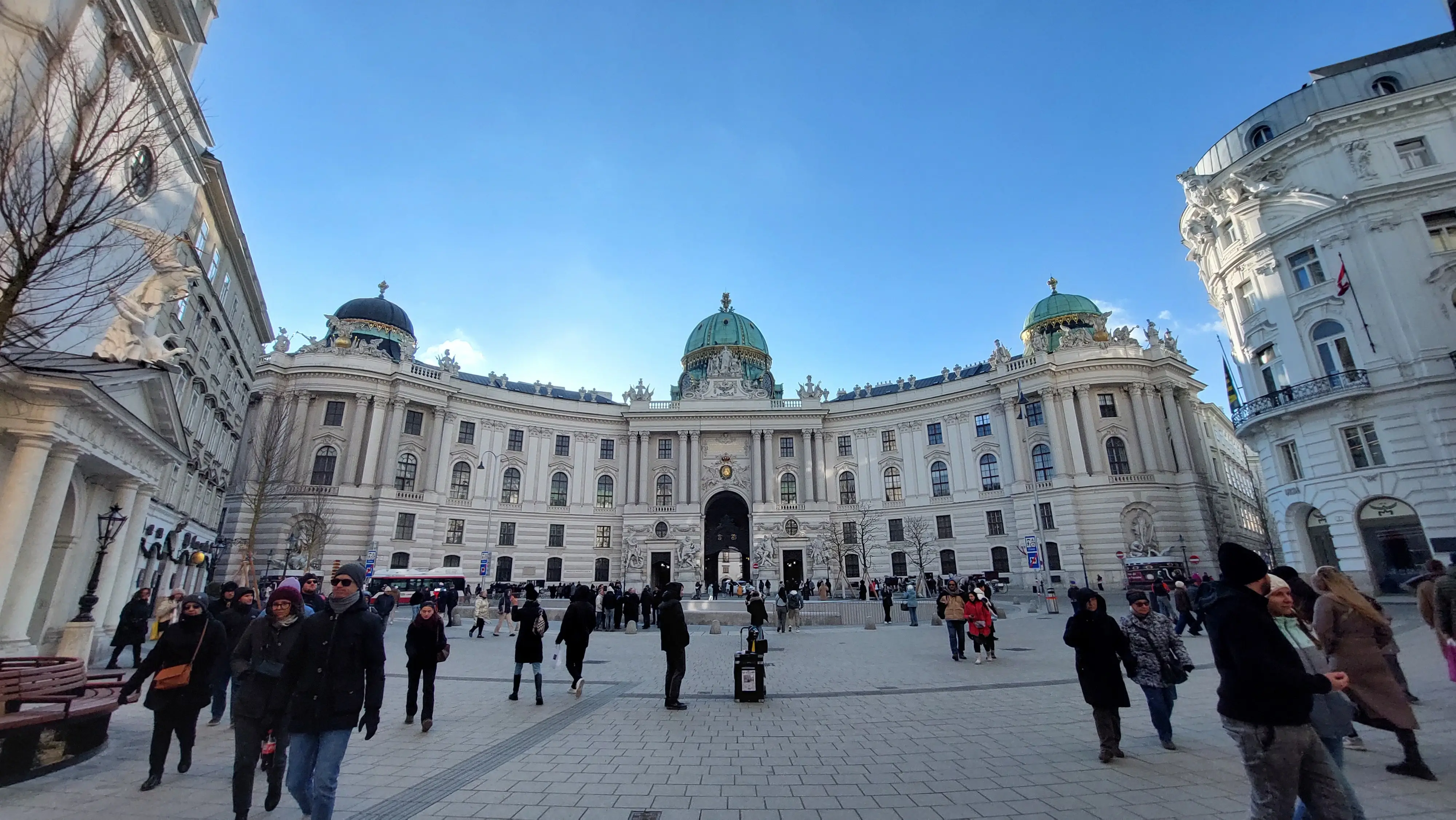
The 2026 retreat (June 4 - 7, 2026) took us to Vienna, the city that gave us, among many other things, both Freud’s insights into the unconscious mind and Hayek’s understanding of spontaneous order.
This retreat is now over. If you’re interested in future retreats, you can leave your email below.
Overview
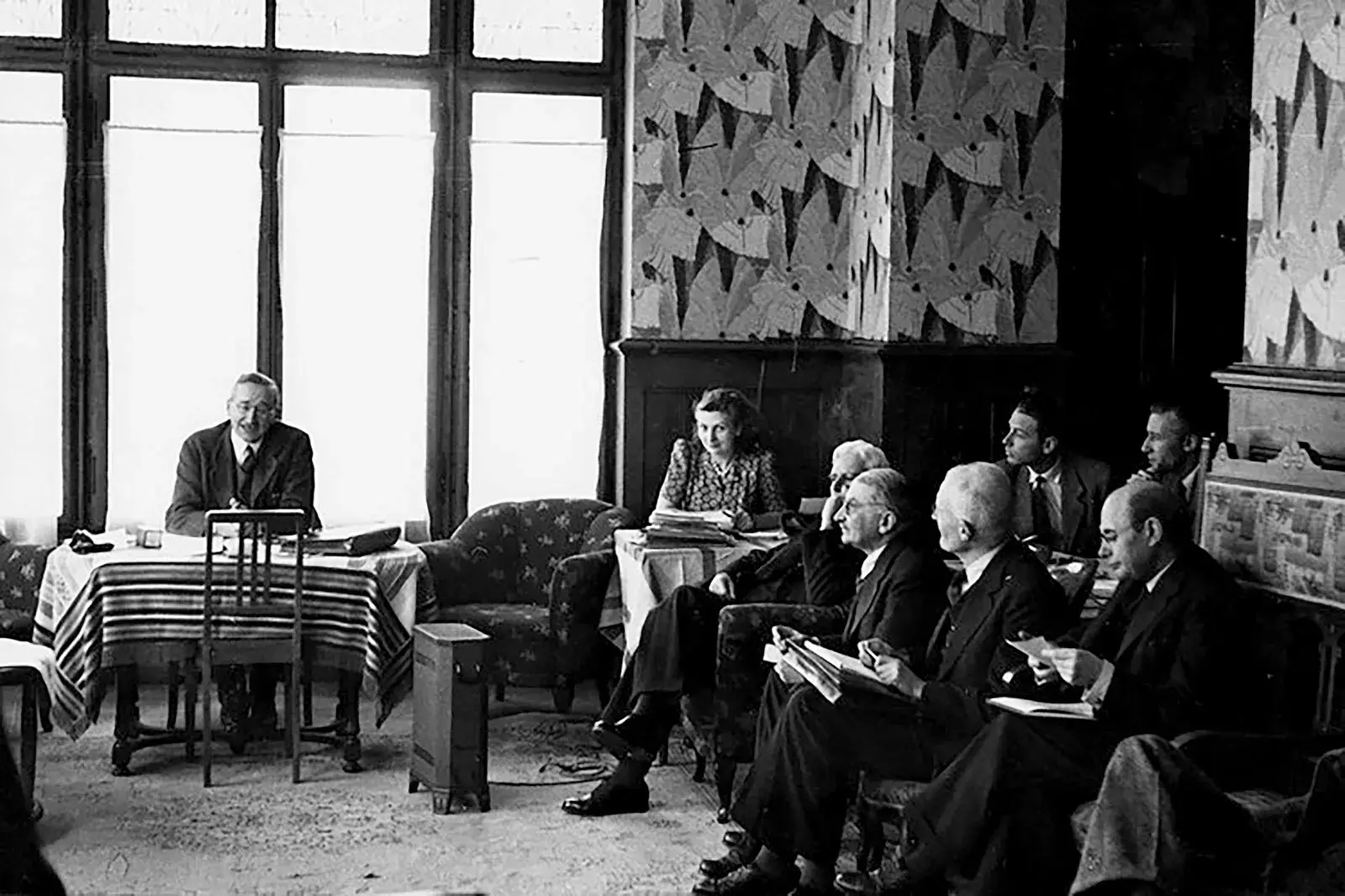
Vienna at the turn of the 20th century was home to two powerful intellectual currents: one influenced by the Romantic tradition (rooted in German Romanticism) that shaped thinkers like Freud and Frankl, and one (loosely) influenced by the Liberal tradition (classical liberalism) that influenced Hayek and to a certain extent the Vienna Circle.
In this philosophy retreat, we’ll explore both and attempt to reconcile them through what Richard Bronk calls “the romantic economist.”
- Dates: June 4 - 7 2026
- Activities: Philosophical walk through Vienna’s intellectual districts, museum tour of the Kunsthistorisches Museum, workshop on AI and the creative imagination, and a symposium in the spirit of Plato’s on a topic of the group’s choosing
- Place: Vienna, Austria
- Price: €2,500 (VAT included) - excludes accommodation and airfare
- Available places: Spots are capped to 5 participants
The Two Viennas
Vienna was the birthplace of two seemingly contradictory ways of understanding human nature and society:
The ‘Romantic’ Vienna - influenced by German Romanticism (Andrea Wulf’s “Magnificent Rebels”), emphasized emotion, the unconscious, and the search for meaning. This current flows through Freud’s psychoanalysis and Frankl’s logotherapy.
The Liberal Vienna - rooted in classical liberalism and Adam Smith’s ideas, focused on individual choice, spontaneous order, and market mechanisms. This tradition influenced Hayek’s economics and, to a certain extent, other schools of thought and movements including the Vienna Circle.
Program
Day 0: Thursday June 4, Arrival & Meet and Greet
- Welcome dinner (8:00 PM)
Day 1: Friday June 5, The Romantic Way
- Museum tour: Kunsthistorisches Museum (10:00 AM – 12:00 PM)
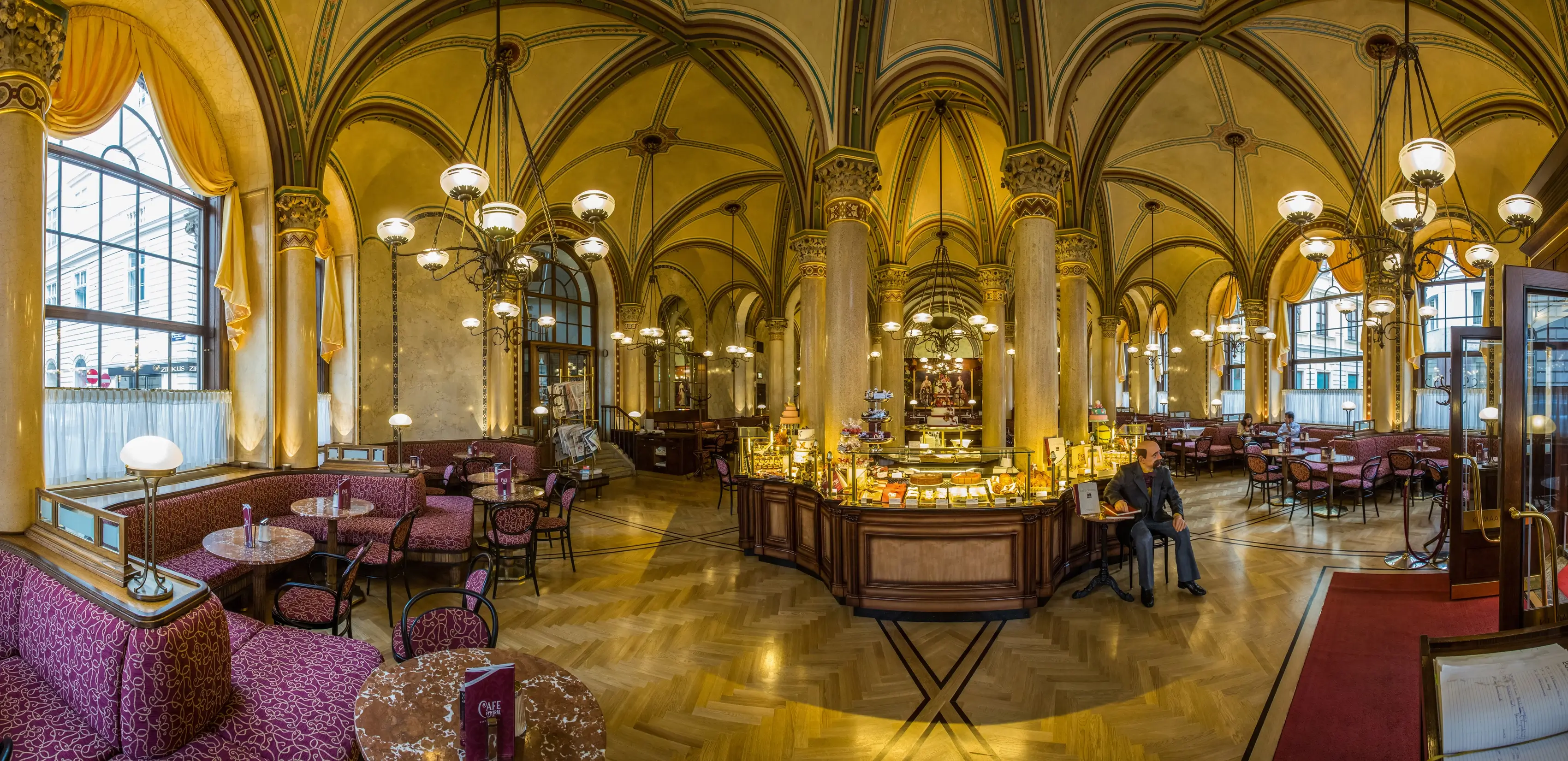
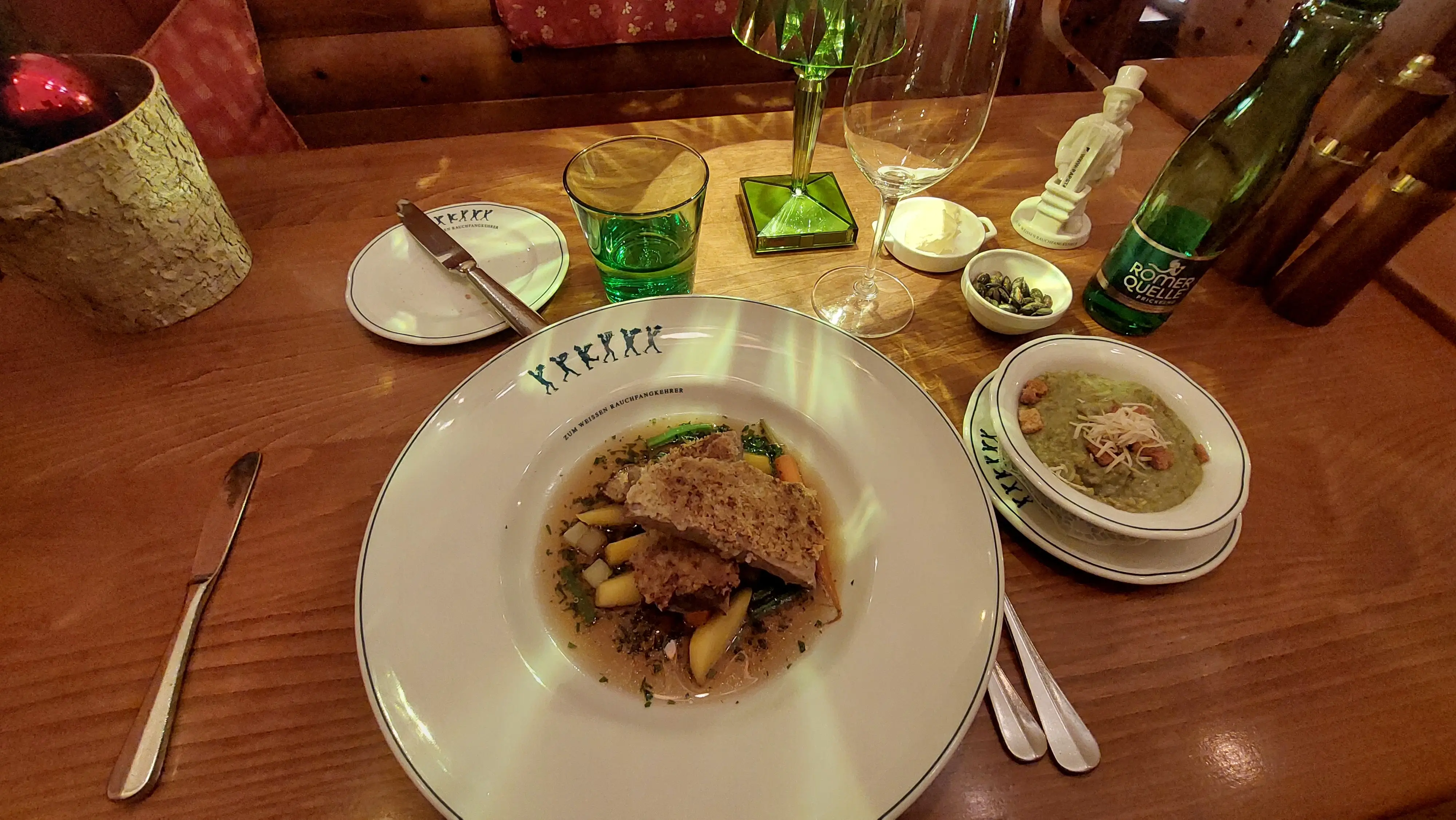
- A taste of Vienna (12:30 PM – 2:00 PM)
- Break (2:00 PM – 3:30 PM)
- Workshop: A World Without Work: AI, Meaning, and the Creative Imagination (4:00 PM – 6:00 PM)
- Dinner & drinks (6:30 PM – 10:00 PM)
Day 2: Saturday June 6, The Liberal Way
- Philosophy walk: Vienna, the City of Ideas. The walk is led by Clemens Haydn, and is based on Richard Cockett’s Vienna (10:00 AM – 12:30 PM)
- Lunch (1:00 PM – 3:00 PM)
- Break (3:00 PM – 4:30 PM)
- A philosophy symposium, in the spirit of Plato’s dialogue the Symposium. The topic will be discussed and agreed amongst the participants during our conversations. (5:00 PM – 7:30 PM)
- Dinner & closing reflections (8:00 PM – 10:30 PM)
Day 3: Sunday June 7, Departure
- Check-out, no activities scheduled
The Museum
On Friday morning we’ll spend two hours at the Art History Museum (KHM). I’ve selected five paintings that we’ll explore together, and the rest of the time is yours to explore the museum. I’ll include some philosophy commentary about the paintings, which will be enclosed in the retreat booklet I’ll prepare. All the material will be made available on the retreat’s hub page.
The paintings will serve the narrative arc of the retreat’s theme, allowing us to examine some of the questions more closely throughout our discussions. These questions include knowledge transmission across civilizations, what happens when we are overtaken by hubris, and it outgrows the understanding of our undertakings, the tension between the individual, institutions, and those in power, and what art conveys and preserves throughout all of it.
The five paintings:
- The Three Philosophers, Giorgione (c. 1508)
- Madonna del Prato, Raphael (c. 1506)
- Tower of Babel, Pieter Bruegel the Elder (c. 1563)
- Ecce Homo, Titian (1543)
- The Art of Painting, Vermeer (c. 1666–68)
Reading
Three books will serve as a basis for this retreat’s theme:
- Vienna: How the City of Ideas Created the Modern World, Richard Cockett
- Man’s Search for Meaning, Viktor Frankl
- A World Without Work, Daniel Susskind
And an optional read which will be in the background of our discussions, and which I might reference during the philosophy workshop: The Romantic Economist by Richard Bronk.
Who Is This For?
Business leaders, professionals, and anyone interested in philosophy, and in exploring how Vienna’s intellectual and cultural output at the turn of the century and until the second world war applies to modern challenges, especially in times of technological, political, and economic disruption.
After all, this is a philosophy retreat. While we will engage in some sightseeing and cultural activities, this retreat is more focused on the conversations, the books, and the underlying philosophy more so than on the activities themselves. As such, the museum visit, the walk, the workshop, the symposium, the lunches and dinners are all chosen in a way that they reflect and are conducive to that goal.
Details and Requirements
Location: Vienna, Austria - the intellectual crossroads of Europe where psychology met economics
Climate: 15–29°C
Language: English
Prerequisites: No philosophy background required. Just curiosity and willingness to engage in thoughtful dialogue.
What’s Included
- Lunch, dinner, and drinks for 2 full days
- Museum entrance fees
- Workshop materials and facilitation
- Philosophy symposium with drinks
- Philosophical walks and guided discussions
What’s Not Included
- Accommodation (you arrange your own, preferably Innere Stadt, Vienna - Vienna has excellent options)
- Airfare to Vienna International Airport (VIE)
- Local transportation (Vienna has excellent public transport)
Registration and Payment
Total: €2,500 (VAT included)
- Deposit: March 15th
- Balance: May 15th
Payment instructions will be provided upon participation confirmation.
Getting There
Vienna International Airport (VIE) is well connected. The trip from the airport to the city center takes around 20 to 30 minutes. You can take a direct train, bus, taxi, or Uber. If you need any assistance with logistics, please let me know.
For questions or to confirm participation, contact: [email protected]
Looking forward to exploring Vienna’s remarkable intellectual heritage with you!
Bio: Hi my name is Mahmoud Rasmi. I am an independent writer, researcher, lecturer, and consultant. Over the past few years, I have been teaching philosophy to professionals and philosophy enthusiasts in a non-academic setting. Before that, I spent seven years as a university professor before I decided to venture into bringing philosophy back to the marketplace. I hold a PhD in Philosophy, and an MA in Cultural Heritage Management with a specific focus on philosophical heritage.